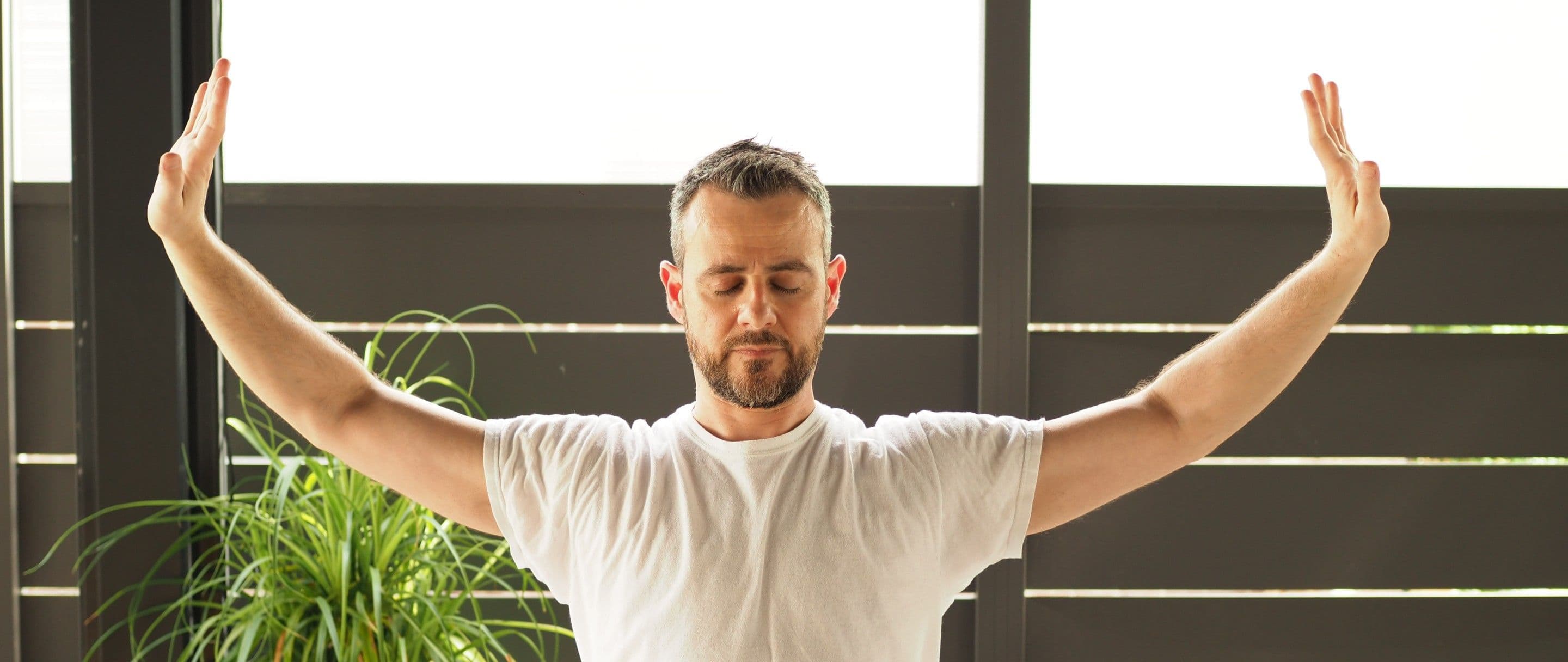
Tai Chi
The strength in moving slowly: Tai Chi in the Recovery Sanctuary
Most of the week asks you to move quickly. Tai Chi asks for the opposite. If a serene mind and long, functional years interest you, the flowing movements and therapeutic breathing taught by Dr. David Gabriele are worth an hour of your week. The pace is slow on purpose. Over time your balance steadies and your joints move more easily, and the calm you practise in class becomes something you can return to on your own. Class is held outdoors in the Recovery Sanctuary when the weather allows, and indoors when it doesn't.
The slower the movement, the more of your body has to show up for it.

What slow, deliberate movement does for the body
Tai Chi has a substantial body of clinical research behind it, most of all for balance and joint health. Over months of regular practice, it works on:
A calmer nervous system: Long, even breaths paired with slow movement shift the body toward its parasympathetic, rest-and-recover state. It is the same system we work with in breathwork and meditation.
Focus: Each movement asks you to notice where your weight sits and when to breathe. There is little room left for the week behind you or the one ahead.
Balance: Your weight travels slowly from one leg to the other, again and again. That trains the small stabilizing muscles and reflexes that keep you upright, and better balance is one of the most consistent findings in Tai Chi research.
Leg strength: Bent-knee stances held under your own body weight build strength through the hips and thighs, with no impact on the joints.
Joint comfort: The movements are low-load and continuous, which suits stiff knees, hips and backs. Studies in knee osteoarthritis have reported less pain and better function with regular practice.
Why Practise Tai Chi at Curate Health?
Three Decades of Practice
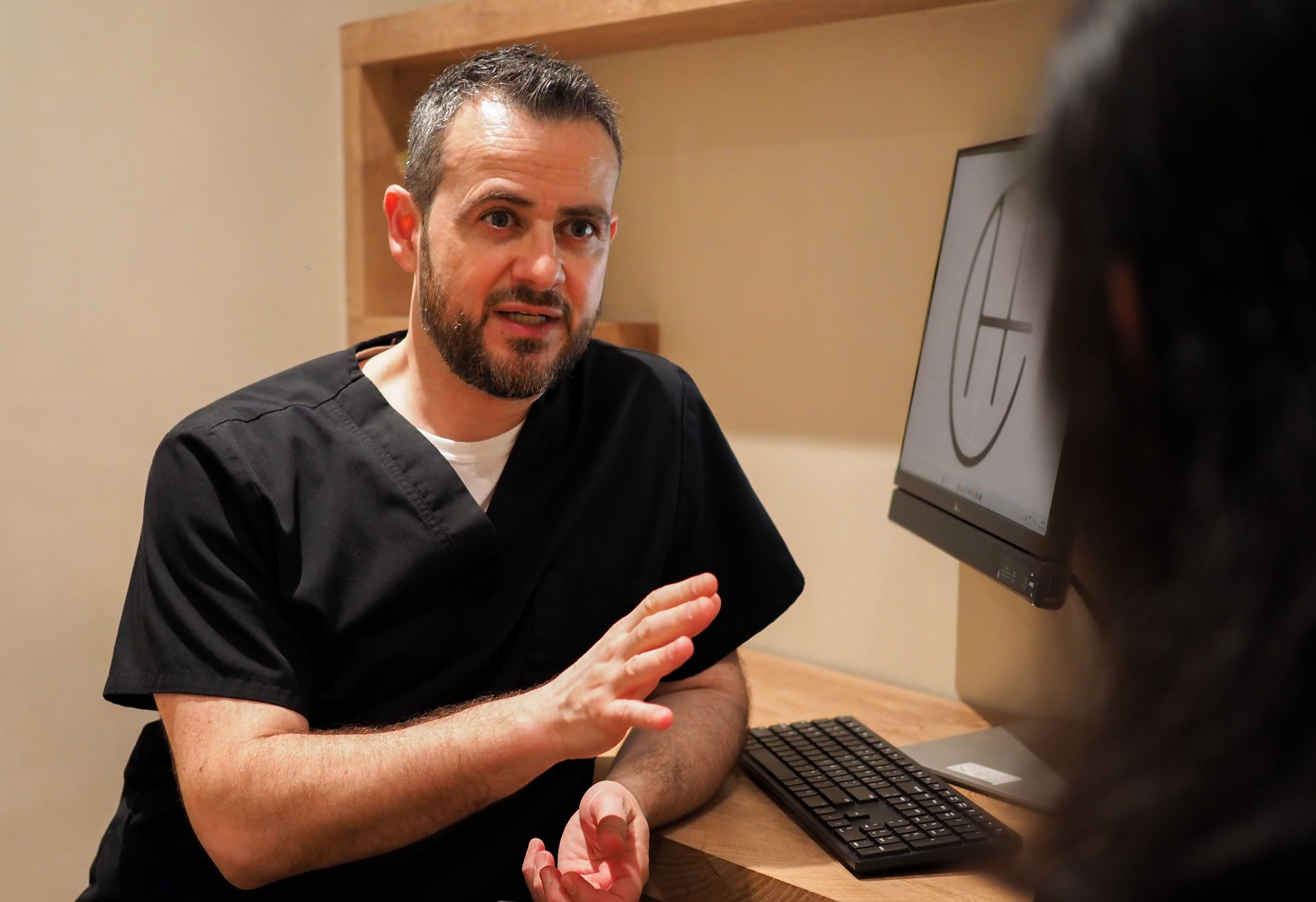
Dr. David Gabriele has studied traditional martial arts since 1996 and teaches Taiji, Qigong, meditation and therapeutic breathing. As a naturopathic doctor and registered acupuncturist, he also brings a clinician's understanding of the bodies in front of him.
Small by Design
We keep Tai Chi to small groups on purpose, so Dr. Gabriele can watch every student closely and correct posture in the moment. The result is real instruction rather than following along from the back of a room. Spaces are limited, and we recommend reserving yours in advance.
Open Air, Whenever the Season Allows
Class meets in the Recovery Sanctuary, our outdoor space in Midtown Toronto, with fresh air and open sky overhead. On colder or wetter days we move inside, so the practice never has to pause. The outdoor sauna and cold plunge share the space if you want to extend your visit.
Something to Gain at Every Level
Beginners come away with steadier footing and a simple practice they can take home. Experienced students find there is always more depth in the same movements, however long they have been at it. Dr. Gabriele shapes each class around the people in it.
Connected to Your Care
Our practitioners work as one interdisciplinary team. If you are seeing a chiropractor, physiotherapist or naturopathic doctor at Curate, Tai Chi gives you a weekly place to practise what you are working on in treatment.
Practitioners offering this service
Begin With a Single Hour
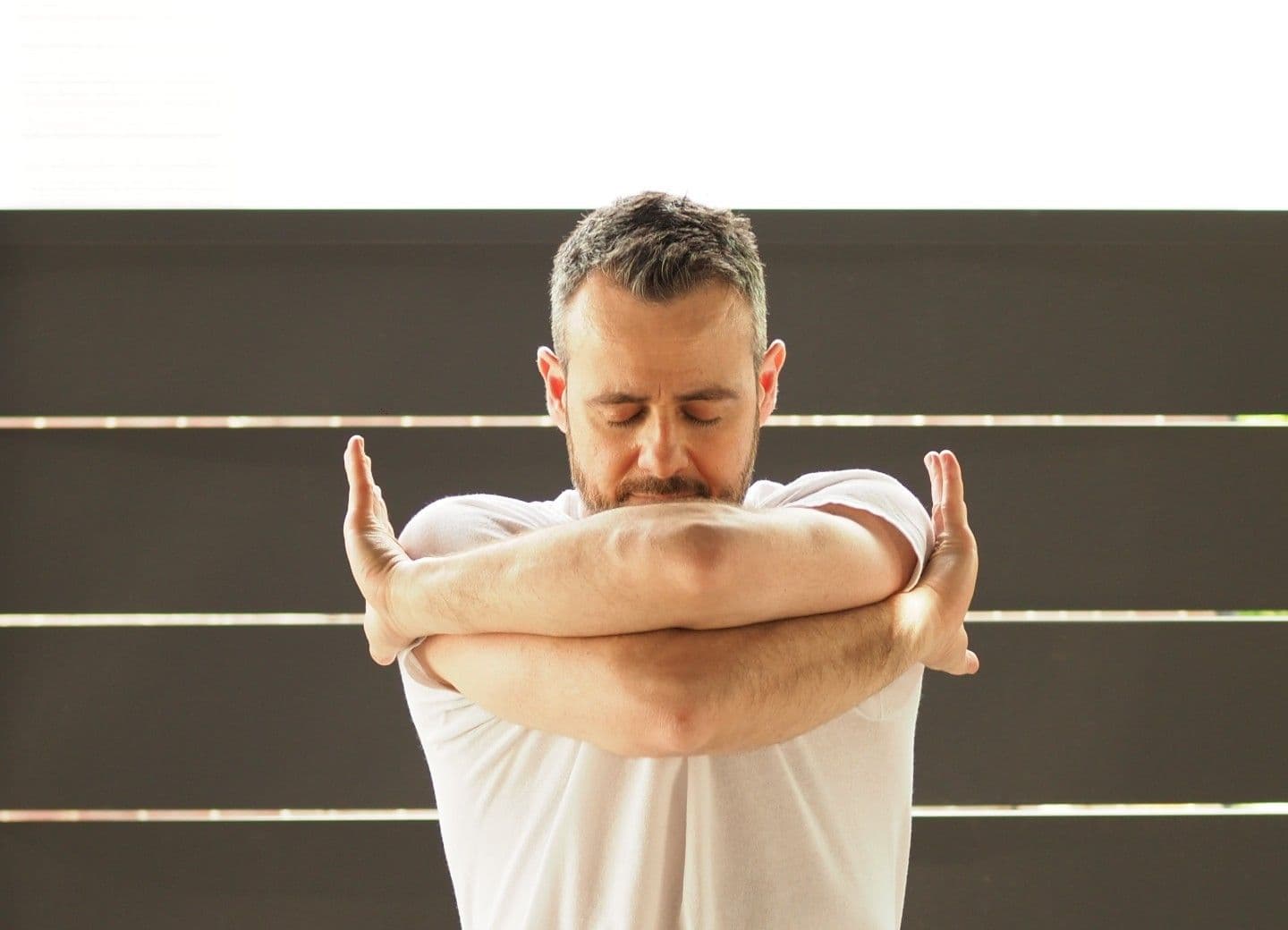
Tai Chi is a practice measured in years, and it starts with one class. Groups are kept intentionally small so that every student receives close, personal instruction, which means spaces are limited. Wear clothes you can move in; no experience is needed.
